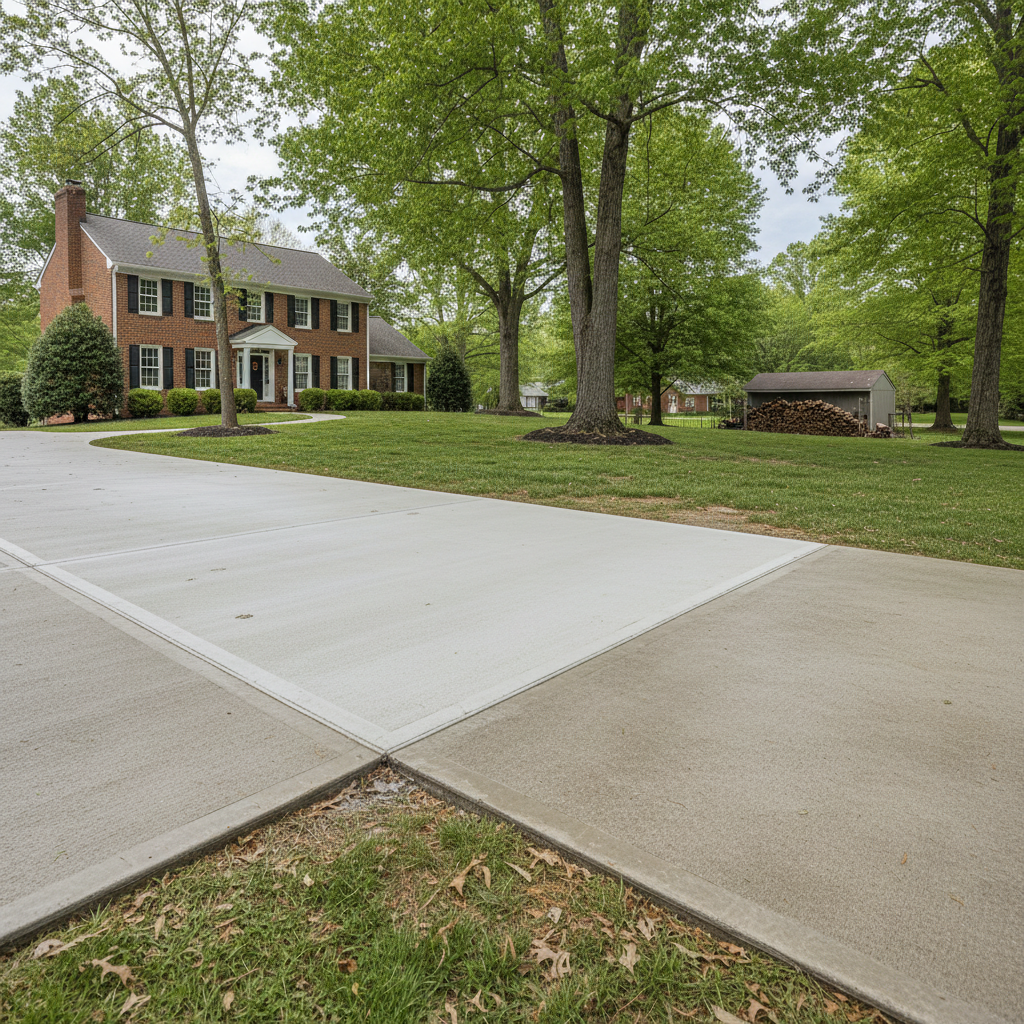
You just spent good money getting that cracked driveway or sinking patio fixed, right? You want that repair to last. Nobody wants to call a contractor back a year later for the same problem. So, let's talk about how to keep your concrete strong and looking good for the long haul, especially with our crazy Richmond weather.
Extending the Life of Your Concrete Repair
The biggest thing you can do to make your concrete repairs last is proper curing and then sealing. When we finish a job, especially with new concrete or a major patch, we're careful about the curing process. But once we're done, it's on you to protect it. Don't drive on it too soon, don't put heavy equipment on it before it's fully cured – we'll tell you the exact timeline, and you gotta stick to it. That initial strength gain is critical.
After that, sealing is your best friend. A good quality concrete sealer acts like a raincoat for your concrete. It repels water, oil, and other stains, and it helps protect against freeze-thaw cycles. Here in Richmond, we get those wild temperature swings – 50 degrees one day, 20 the next. Water seeps into unsealed concrete, freezes, expands, and then thaws, causing tiny cracks that grow over time. A sealer minimizes that. I usually recommend resealing every 2-5 years, depending on the sealer type and how much traffic the surface gets. If it's your main driveway, you'll want to do it more often than a seldom-used side path.
Regular Maintenance: Simple Steps, Big Impact
This isn't rocket science, folks. A little bit of regular care goes a long way. Think of it like changing the oil in your car.
- Keep it Clean: Sweep off dirt, leaves, and debris regularly. Organic matter holds moisture against the concrete, which isn't good. If you've got a lot of trees, especially those messy oaks or maples common in older Richmond neighborhoods like the Fan or Museum District, stay on top of it.
- Wash it Down: A good rinse with a garden hose and a stiff brush can do wonders. For tougher stains, a mild detergent and water usually work. Pressure washing is okay, but be careful. Too much pressure, especially with a narrow tip, can damage the surface or even blast out aggregate. If you're not sure, stick to a wider fan tip and keep it moving.
- Deal with Spills Immediately: Oil, grease, rust, paint – if it spills, clean it up fast. The longer it sits, the deeper it penetrates, and the harder it is to remove without damaging the concrete or its sealer. Kitty litter or absorbent pads can help with oil spills before you scrub.
- Watch for Weeds: Weeds growing in cracks aren't just an eyesore; their roots can actually widen those cracks over time. Pull 'em out or hit 'em with a weed killer.
Warning Signs of Trouble
You're not a concrete expert, and you don't need to be. But you do need to know what to look for. Catching small problems early can save you a ton of money down the road.
- New Cracks: A few hairline cracks are normal, especially in larger slabs. But if you see new cracks appearing, or existing ones getting wider or longer, that's a red flag. Pay attention to cracks that run all the way through the slab or those that create uneven surfaces.
- Uneven Slabs or Sinking: If one section of your driveway or patio starts to sink or lift, creating a trip hazard, that's a sign of a sub-base issue. This is common in areas with reactive clay soils, which we definitely have around here in RVA.
- Spalling or Flaking: This looks like the surface of the concrete is peeling or flaking off. It's often caused by freeze-thaw damage, especially if the concrete wasn't properly finished or sealed.
- Persistent Stains or Discoloration: If stains are appearing even after cleaning, or if the concrete just looks dull and worn, your sealer might be gone, or there could be an underlying issue.
- Pitting or Pop-outs: Small holes (pitting) or little pieces of aggregate popping out of the surface. This can be due to poor quality aggregate or freeze-thaw damage.
When to Call a Professional
Look, you can handle the sweeping and the washing. But some things are just beyond a DIY fix. Don't try to be a hero and make it worse.
- Major Cracks: If a crack is wider than a quarter-inch, or if it's causing an uneven surface, you need a pro. We can assess if it's a structural issue or just a surface crack.
- Sinking or Uneven Slabs: This almost always points to a problem with the ground underneath. We've got specialized equipment and techniques, like mudjacking or foam injection, to lift and stabilize these slabs without tearing everything out. Trying to patch this yourself is a waste of time and money.
- Extensive Spalling or Surface Damage: If large areas of your concrete are flaking or crumbling, a simple patch won't cut it. We might need to resurface or even replace sections.
- Drainage Issues: If water is pooling on your concrete or running towards your foundation, that's a serious problem. We can assess the grading and suggest solutions to direct water away. This is crucial for protecting your home's foundation, especially after a big rainstorm like we often get in the spring and summer.
- If You're Just Not Sure: Honestly, if you see something and you're worried, just call us. A quick inspection from RVA Classic Concrete can give you peace of mind or catch a small problem before it becomes a huge, expensive headache. It's always better to be safe than sorry when it comes to your home's foundation and hardscaping.
Taking care of your concrete isn't glamorous, but it's essential. A little effort now saves you a lot of trouble and cash later. Keep an eye on things, and don't hesitate to reach out if you spot a problem.