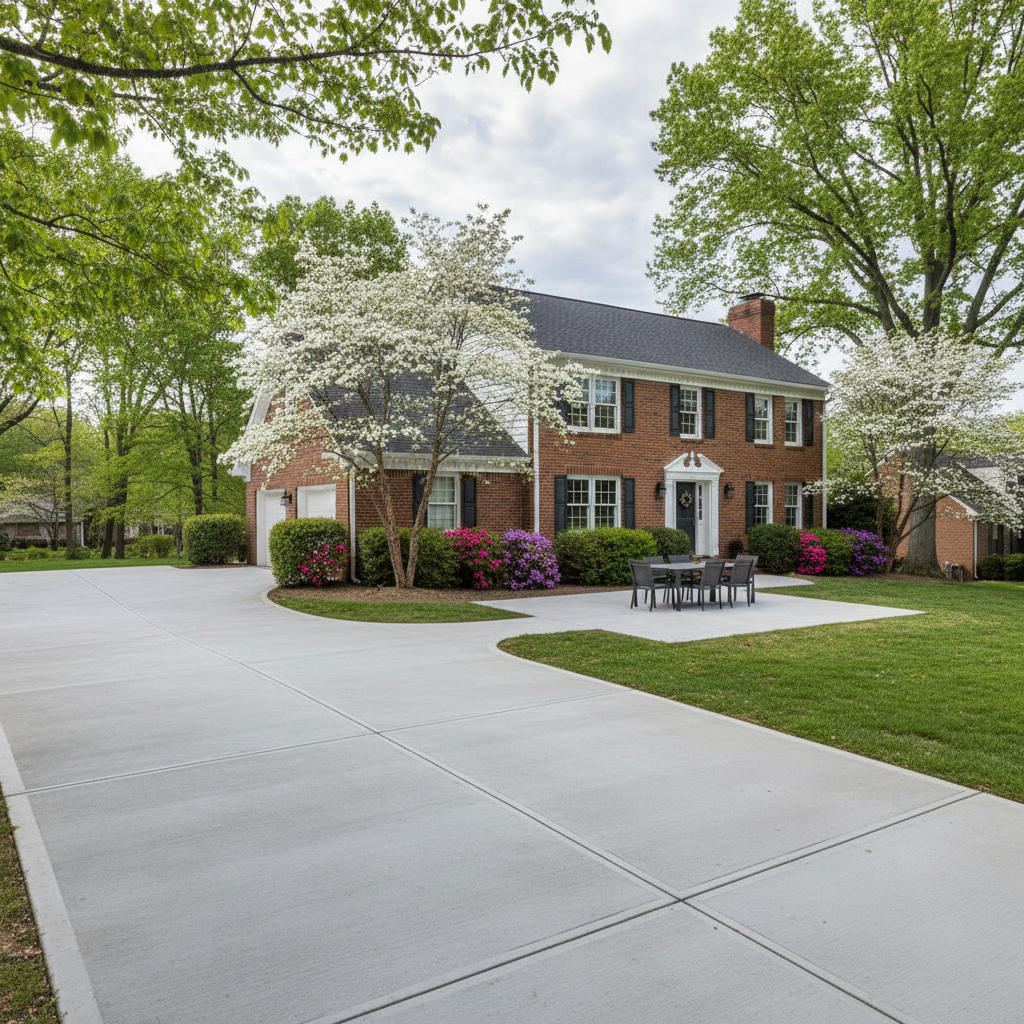
So, you've got some concrete that's seen better days. Maybe it's a cracked driveway, a sinking patio, or some crumbling steps. It's not just an eyesore; it can be a tripping hazard and even affect your home's curb appeal. Before you pick up the phone and start calling contractors, let's talk about how to plan this thing right. You want a repair that lasts, not a patch job you'll be fixing again next year.
Understanding the Timeline for Concrete Repair
People often underestimate how long a concrete repair project can take, and that's usually where frustrations start. It's not just about the day we pour. First, there's the initial contact and getting someone out for an estimate. Good contractors, especially here in Richmond, are often booked out a bit. You might wait a week or two just for that first visit.
Once you get an estimate and decide to move forward, there's scheduling. Depending on the size of the job and the time of year, it could be anywhere from a few weeks to a couple of months before we can actually start. Spring and fall are usually our busiest seasons, so plan ahead if you're aiming for those times.
Then comes the actual work. A small patch might be a day. A full driveway replacement? That could be a few days of demolition and prep, then the pour, and then the crucial curing time. Concrete doesn't reach its full strength overnight. You're usually looking at 24-48 hours before you can walk on it lightly, and a full week or more before you can drive a vehicle on it. So, if you're planning a big family BBQ, don't schedule the concrete pour the day before!
What to Expect During the Process
When we show up, we're not just bringing a truck and a shovel. There's a whole process. First, we'll protect your property. That means laying down tarps, putting up barriers, and making sure your landscaping doesn't get messed up. Then comes the demolition. If we're replacing existing concrete, it's going to be noisy and dusty. We're breaking up old slabs, hauling them away, and getting the area ready.
Next is site preparation. This is critical. We'll be grading the area, making sure the drainage is right, and compacting the sub-base. If the ground underneath isn't solid, your new concrete won't last. This is especially important in areas like the Fan or Museum District where homes are older and the soil might have settled unevenly over decades. We might need to add gravel or other fill materials to create a stable foundation.
Then comes the formwork. We build the frames that will hold the wet concrete in place. After that, we might lay down rebar or wire mesh for reinforcement, depending on the project. Finally, the pour. This is where the magic happens, or at least it looks like it. We'll pour the concrete, spread it, level it, and then finish it to your desired texture – whether that's a smooth trowel finish, a broom finish for traction, or something decorative.
After the pour, it's all about curing. We might apply a curing compound or cover the concrete to ensure it dries slowly and evenly. This prevents cracking and helps it gain maximum strength. Don't mess with it during this time! Just let it do its thing.
How to Prepare Your Property
You can make our job, and your life, a lot easier by doing a few things before we arrive. Clear the area completely. Move any patio furniture, grills, planters, toys, or anything else that's in the way. If there are plants or shrubs right next to the work area that you're worried about, let us know. Sometimes we can protect them, or you might consider temporarily relocating them.
Make sure we have clear access to the work site. If we're bringing in heavy equipment, we need a path. Unlock any gates, and if you have pets, make sure they're secured indoors or in an area far from the construction. Trust me, you don't want your dog running through wet concrete. It happens more often than you'd think.
Also, point out any underground utilities you know about, even if they're marked. Sprinkler lines, invisible dog fences, landscape lighting wires – these can all be easily damaged if we don't know they're there. While we'll call 811 for utility marking, those services often only mark major lines, not your private ones.
Questions to Ask Before Signing a Contract
This is where you protect yourself. Don't be shy. You're paying good money, so you deserve to know exactly what you're getting. Here are some questions I'd ask any contractor, including us at RVA Classic Concrete:
- Can you provide references from recent concrete repair jobs?
- Are you licensed and insured in Virginia? Can I see proof? (This is non-negotiable.)
- What's your warranty on the work, and what does it cover?
- What specific steps do you take for site preparation and sub-base compaction?
- What type of concrete mix will you be using (PSI strength, air entrainment, fiber mesh)?
- How will you protect my existing landscaping and property during the project?
- What's the payment schedule? When are deposits due, and when are final payments expected?
- What's the estimated start and completion date, and what factors might cause delays?
- Who is my main point of contact during the project?
- What's your plan for cleanup and debris removal after the job is done?
Asking these questions upfront clears up a lot of potential misunderstandings. A good contractor will be happy to answer all of them clearly and directly. If they hem and haw, or can't provide solid answers, that's a red flag. You want someone who's transparent and confident in their work. Do your homework, ask the tough questions, and you'll end up with a concrete repair that stands the test of time.