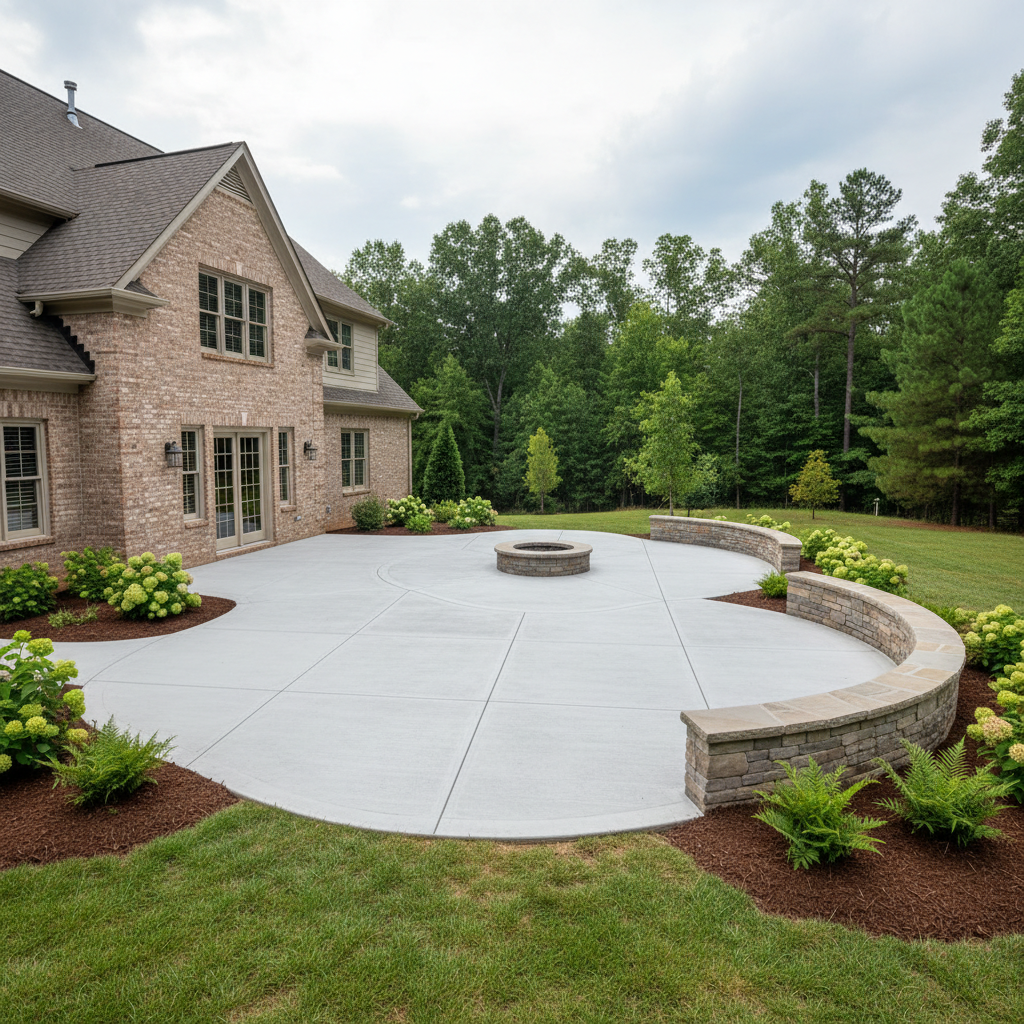
So, you're ready to upgrade your backyard with a new concrete patio. That's a smart move. A well-built concrete patio isn't just a pretty face; it's a solid, long-lasting investment that really expands your usable living space. But before you jump in, there's some planning you need to do to make sure your project goes smoothly. I've seen enough projects over the years to know that good planning makes all the difference.
Setting Your Timeline: What to Expect
Let's talk timelines first, because this is where a lot of folks get surprised. A concrete patio isn't an overnight job. From your first call to enjoying your new outdoor space, you're probably looking at several weeks, maybe even a couple of months, depending on the season and how busy contractors are. Here's a rough breakdown:
- Initial Contact & Consultation: This is where you call us, we come out, talk about your vision, measure things up, and give you an estimate. This can take a few days to a week to schedule.
- Permits (if needed): For larger patios, or if you're building close to property lines, you might need a permit from the city or county. This isn't always required for a simple ground-level patio, but it's something we'll check. If it is, that can add anywhere from a couple of weeks to over a month, depending on the local planning department's workload.
- Scheduling the Work: Once you've approved the estimate and any permits are in hand, we'll get you on the schedule. Good contractors are often booked out a few weeks, especially during peak seasons like spring and fall here in Richmond.
- The Actual Work: This is the part everyone thinks about. For a typical residential patio, the actual installation usually takes 3-5 days. That includes excavation, grading, setting forms, pouring the concrete, finishing it, and then letting it cure.
- Curing Time: This is crucial. While you can walk on it fairly quickly, concrete needs time to gain its full strength. We usually recommend waiting at least 7 days before putting heavy furniture on it, and 28 days for full strength before things like heavy planters or fire pits are moved onto it. Don't rush this part; it affects the longevity of your patio.
Preparing Your Yard for the Crew
Once you've got a start date, there are a few things you can do to make our job easier and keep your project on track. Think of it as clearing the deck for us to do our best work.
- Clear the Area: Remove any patio furniture, grills, planters, toys, or anything else from the proposed patio area and a good buffer around it. We'll need room to work, bring in equipment, and store materials.
- Mark Sprinkler Heads & Utilities: If you have an irrigation system, mark your sprinkler heads clearly. If you know where any shallow utility lines (like buried dog fences or landscape lighting wires) are, let us know. We'll always call 811 before we dig, but extra information from you is always helpful.
- Access: Make sure there's a clear path for our crew and equipment to get to the work site. This might mean moving a car from the driveway or unlocking a gate.
- Pets & Kids: Keep pets and children away from the work zone for their safety. Construction sites aren't playgrounds, and we'll have heavy equipment and tools around.
- Communicate: If you have any questions or concerns before we start, just ask! It's better to address them upfront.
What to Expect During the Installation Process
When the RVA Classic Concrete crew shows up, here's a quick rundown of what you'll see happening:
- Excavation and Grading: We'll dig out the area, remove any existing grass or debris, and shape the ground to ensure proper drainage away from your house. This is super important, especially with Richmond's clay soil, which doesn't drain well if not properly graded.
- Base Preparation: We'll lay down and compact a gravel base. This provides a stable foundation and helps with drainage under the concrete.
- Form Setting: Wood or metal forms will be set around the perimeter of your patio to hold the wet concrete in place and define its shape.
- Reinforcement: Depending on the size and use of your patio, we'll install rebar or wire mesh. This adds strength and helps prevent cracking.
- Pouring the Concrete: This is the big day! The concrete truck arrives, and we pour the wet concrete into the forms.
- Finishing: Immediately after pouring, we'll level, smooth, and apply the desired finish (e.g., broom finish, stamped, exposed aggregate). This is where the artistry comes in.
- Curing: We might apply a curing compound or cover the concrete to ensure it cures slowly and evenly, which prevents surface cracking and increases strength.
Questions to Ask Before You Sign That Contract
Before you commit to any contractor, make sure you're comfortable with their answers to these questions. Don't be shy; you're making a significant investment.
- Are you licensed and insured? This is non-negotiable. Ask for proof of both. Liability insurance protects you if something goes wrong on your property.
- Can you provide references? A good contractor will happily give you names and numbers of past clients. Check them out!
- What's your warranty on the work? Understand what's covered and for how long.
- What's included in the price? Get a detailed, written estimate that breaks down materials, labor, and any extra costs. Are permits included, or is that my responsibility? What about site cleanup and debris removal?
- How do you handle changes to the scope of work? Sometimes things come up. You need to know how change orders are handled and priced.
- What's your payment schedule? A reputable contractor won't ask for 100% upfront. A common schedule is a deposit, progress payments, and a final payment upon completion.
- What kind of concrete mix do you use? For outdoor applications, you want a durable mix designed for our climate, often with a higher PSI (pounds per square inch) and air entrainment to resist freeze-thaw cycles.
- How do you ensure proper drainage? This is critical for preventing water problems around your home.
Choosing the right contractor, like RVA Classic Concrete, and being prepared yourself will make your concrete patio project a smooth and rewarding experience. You'll be enjoying your new outdoor space in no time.